How Handmade Crochet Kitty Keychains Are Made
From the first magic ring to the final safety clip — a look inside the slow, careful process behind a two-inch crochet cat.
By Mina Ortiz · 24 August 2026 · 8 min read
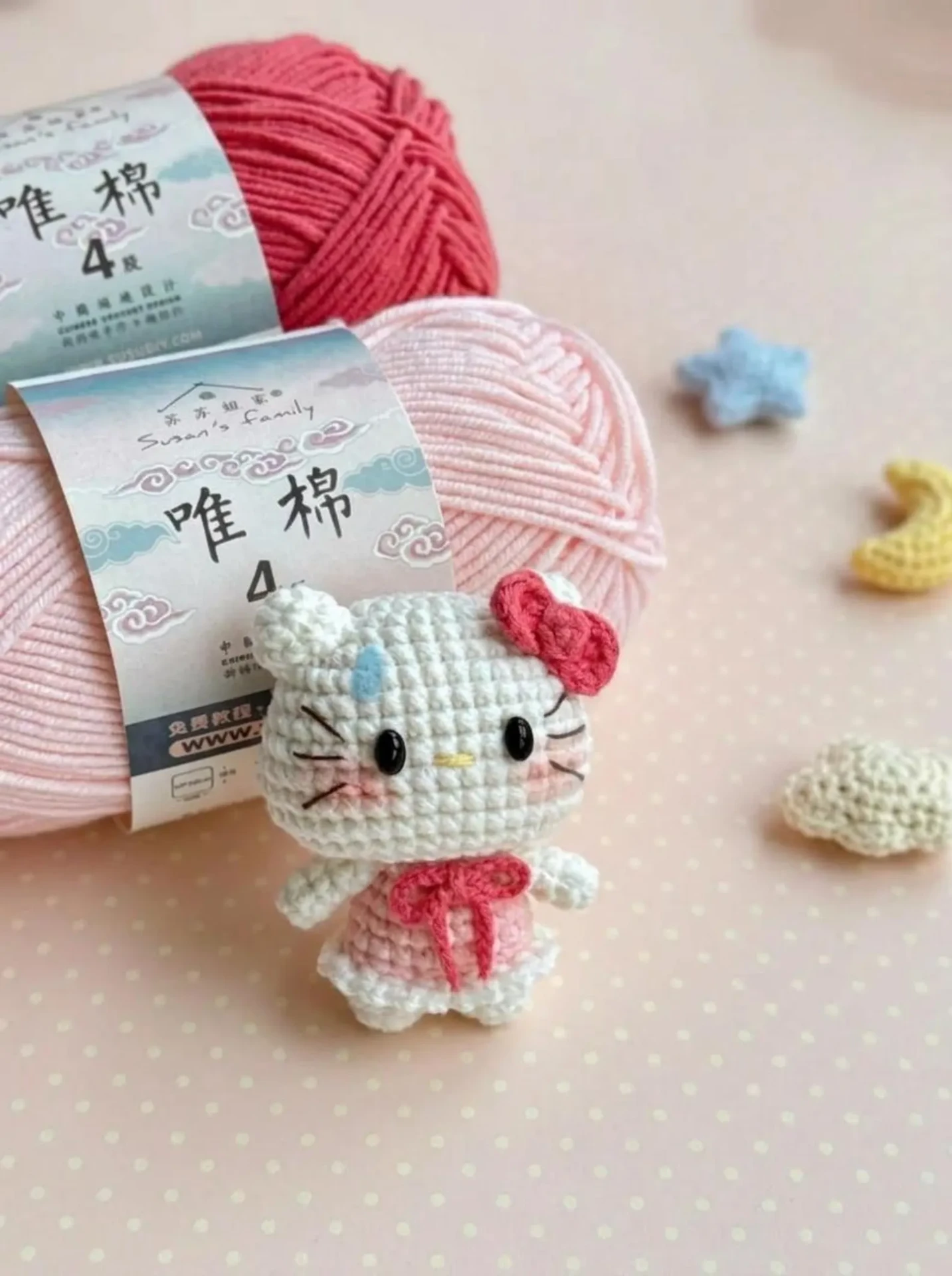
A crochet kitty keychain is small enough to sit in your palm, yet a well-made one takes between two and four hours of continuous work. Nothing about it is machine-produced: every stitch is pulled through by hand, the face is embroidered freehand, and the shaping happens through counting rather than cutting. Here is exactly how one comes together.
1. Choosing the yarn
Most kitty keychains are made from 4-ply milk cotton — a soft, slightly fuzzy blend that holds its shape and does not split when you work into tight stitches. It is the yarn you can see in almost every photo on this blog: matte, pastel, and dense enough to hide the stuffing.
- Milk cotton (4-ply): soft, matte, beginner-friendly, holds stuffing well.
- Mercerised cotton: crisper stitches and a slight sheen, better for defined faces.
- Chenille/velvet: extremely cuddly, but stitches are hard to count — not a first project.
2. The magic ring and the head
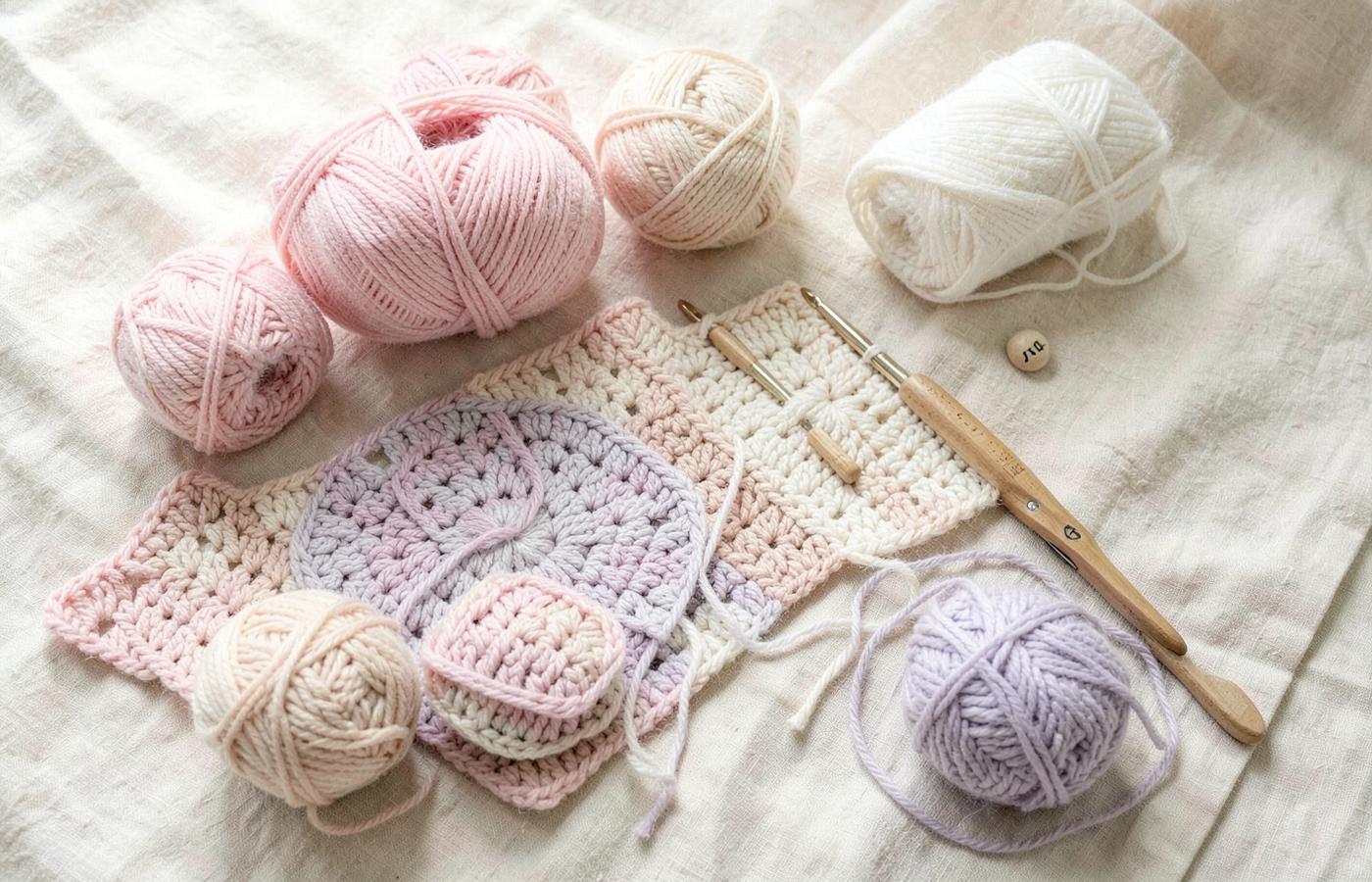
Every amigurumi cat starts with a magic ring — an adjustable loop that lets you close the top of the head with no hole. Six single crochet stitches go into the ring, and from there the head is built in a continuous spiral: increase rounds widen it, straight rounds give it height, decrease rounds close it again.
Because the head of a kitty keychain is oversized on purpose, most makers work 6 to 8 increase rounds before the straight section. That chibi proportion — a big square-ish head over a tiny body — is what makes the finished piece read as "cute" rather than "realistic".
3. Shaping ears, body and limbs
- 1Ears: two small triangles worked flat, then sewn onto the head at a slight outward tilt.
- 2Body: a short cylinder, usually in a second colour so it reads as a dress or dungarees.
- 3Arms and legs: worked in the round over 4–6 stitches, stuffed only at the tips.
- 4Bow: a tiny rectangle cinched in the middle with a few wraps of yarn.
Each piece is left with a long tail of yarn. Nothing is glued — the tails are what stitch the doll together, and they are buried inside the body at the end so no knot is visible.
4. Stuffing
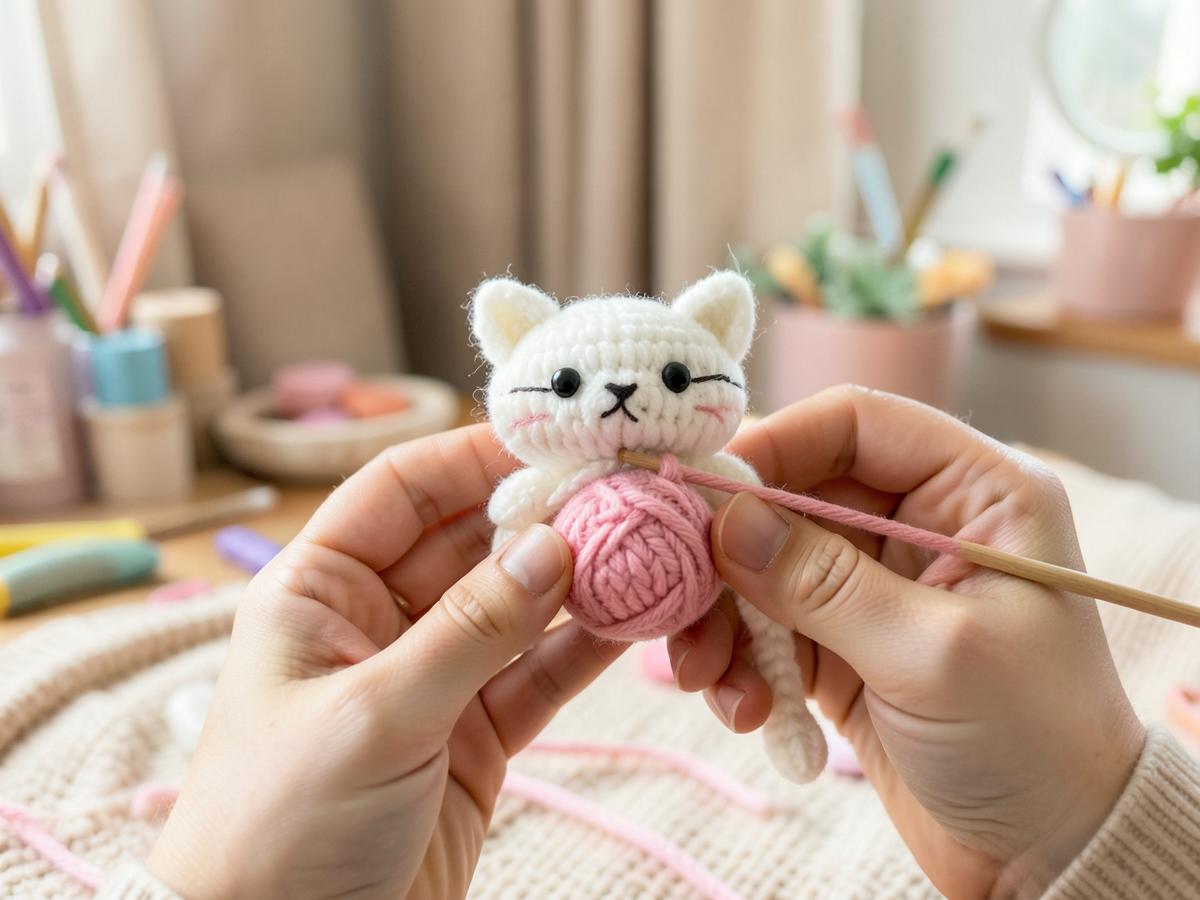
Stuffing is the step that separates a keychain that stays plump for years from one that goes lumpy in a month. Polyester fibrefill is added in small pinches, pushed into the corners with the blunt end of a hook, and packed firm enough that the stitches spread very slightly. Under-stuffing causes sagging; over-stuffing makes the fibre show through the fabric.
5. The face
The face is where every kitty gains a personality. Safety eyes (6mm for a keychain-sized head) are inserted before the head is closed and locked with a washer on the inside. The nose is a small satin stitch in yellow or cream, and the whiskers are single strands of black embroidery thread pulled through the fabric and trimmed.
Move the eyes half a stitch wider and the cat looks sleepy. Half a stitch closer and it looks curious. That tiny margin is the whole craft.
Cheeks are blushed last, either with a few strands of pink yarn stitched in a fan shape or with a dry cosmetic blush brushed lightly into the fibres.
6. Hardware and finishing
A split ring with a lobster clasp is attached through a short crocheted loop or a doubled strand of yarn sewn deep into the head — never just into the surface stitches, which would eventually pull free. The maker then checks tension, trims stray fibres, and gives the piece a light steam so the stitches settle.
- Loop anchored through at least three rounds of fabric.
- All yarn ends woven in and buried, never knotted on the outside.
- Safety eyes tested with a firm tug before the doll is finished.
Why the process matters
Once you know the sequence, you start noticing quality in a finished keychain: even stitch tension, a face that is centred, ears that mirror each other, a firm head that keeps its shape. Whether you are making one yourself or buying from a small maker, those details are the difference between a keepsake and a trinket.
Related articles
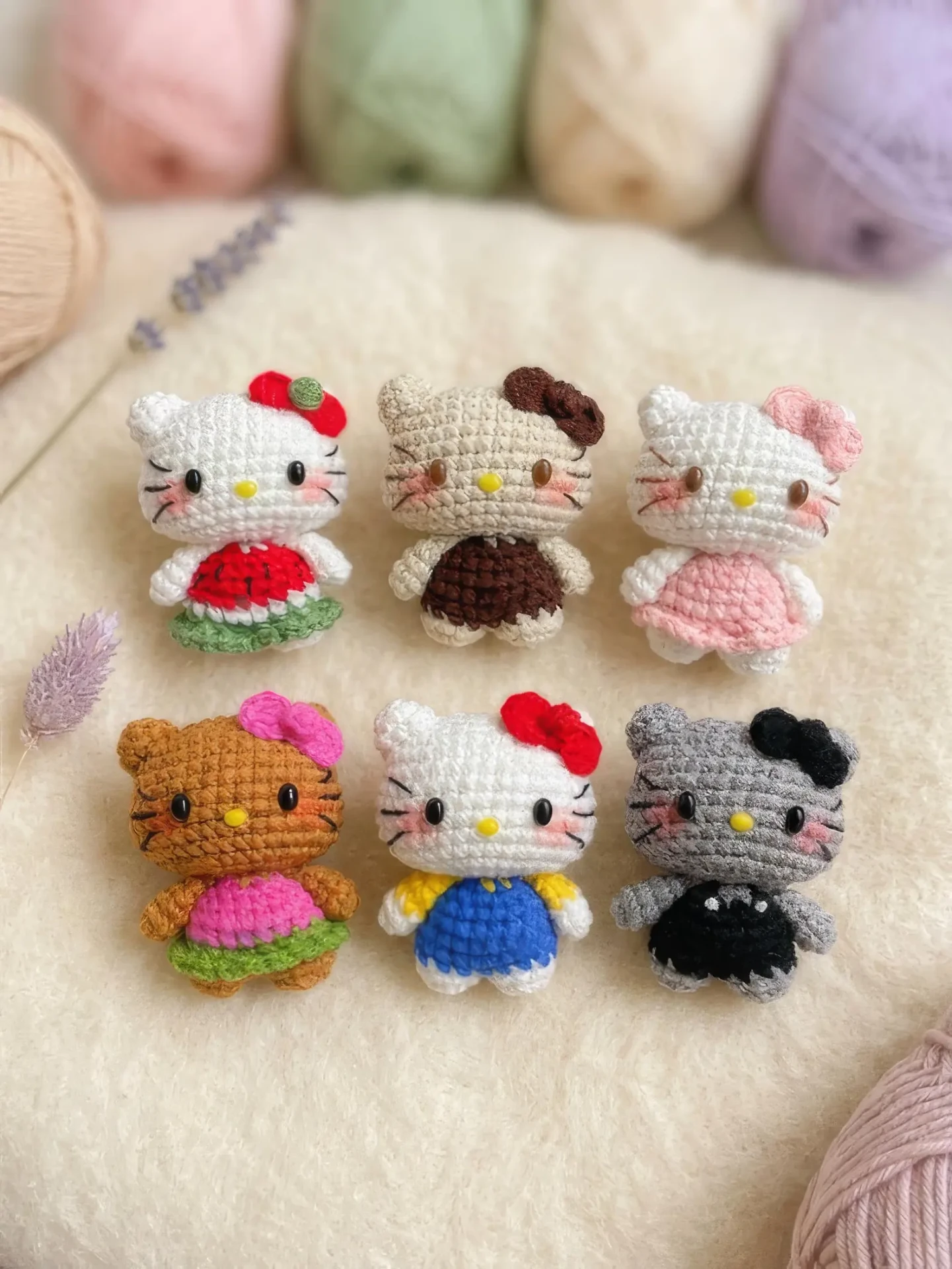
10 Cute Crochet Kitty Keychain Ideas
Fruit dresses, sleepy faces, seasonal outfits and mini accessories — ten designs you can borrow for your next tiny cat.
Read the article →A Beginner's Guide to Making Crochet Keychains
The four stitches, the five supplies and the first tiny project — everything you need to finish your first keychain this weekend.
Read the article →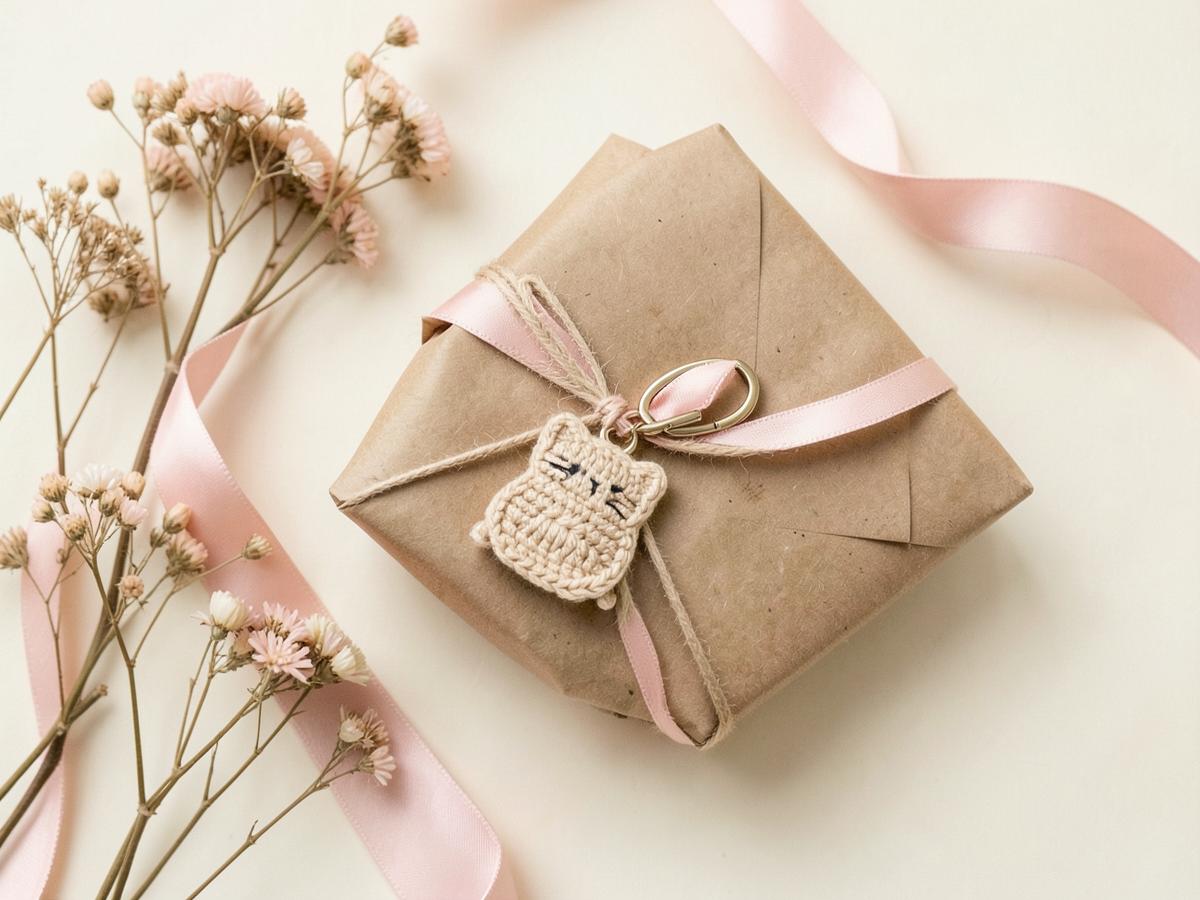
Why Handmade Crochet Gifts Are So Special
A small crocheted cat carries hours, intention and imperfection — three things a mass-produced gift can never include.
Read the article →